Stowmarket, Suffolk
Stowmarket Through Time
Explore the people, places, industries, and turning points that shaped Stowmarket and the surrounding Suffolk landscape.
Stowmarket's history stretches from early church foundations and medieval market rights to navigation, rail, industry, and wartime change. This archive follows the town through its streets, institutions, and defining events.
Begin with the 1871 explosion, move into the commercial core around Tavern Street, or read outward into districts such as Combs Ford and the wider local landscape.
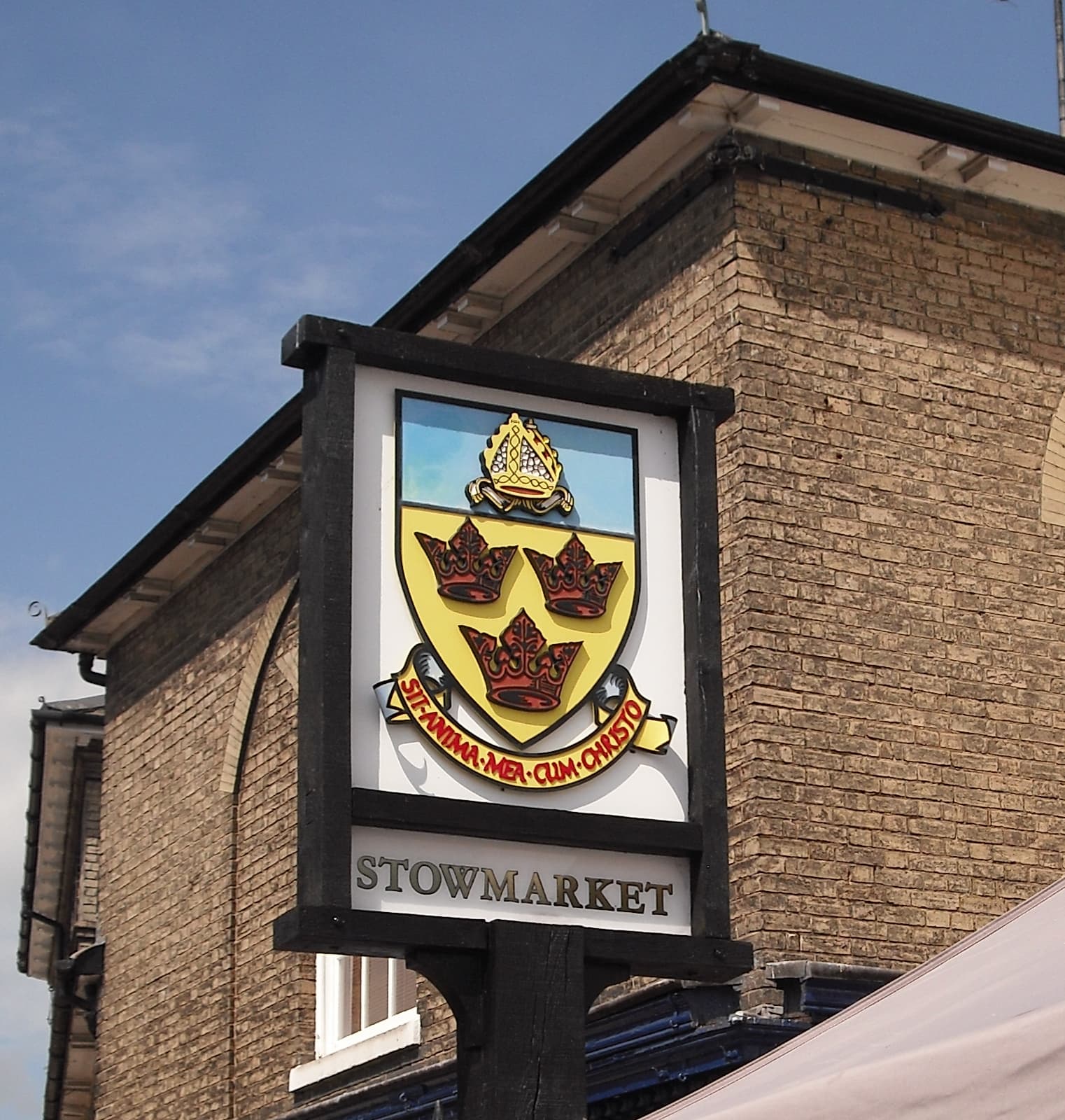
- Feature articles on major events in the town's history
- Place pages for streets, districts, and landmarks
- Theme pages on churches, industry, and institutions
- Archive material drawn from local records and reference sources
The Best First Routes Into The Archive
The Stowmarket Explosion
A defining industrial disaster that shaped how the town understood risk, work, and recovery.
02Stowmarket Timeline
Follow the town from market settlement to industrial change and into the twentieth century.
03Tavern Street
Move from the big story into the historic commercial core of the town.
Explore By Subject Or By Place
Choose whether you want to read by theme or move through the town itself.
Explosion & Industry
Industry, gun cotton, labor, and the long civic memory of the 1871 explosion.
Churches & Institutions
Parish life, chapels, schools, halls, and the institutions that structured everyday life.
Streets & Landmarks
Place-led pages on roads, bridges, churches, inns, and familiar corners of the town.
Stowmarket Timeline
A short chronology of the town's development and defining events.
Pre-Saxon roots and Roman evidence
Stowmarket's name has pre-Saxon roots, and the Town Trail notes evidence of Roman settlement close to the present town centre.
Early church on the site of St Peter and St Mary
Suffolk Heritage Explorer records pre-Conquest origins for the church site, showing that the town already had an established religious focus before the Norman period.
Market charter granted by Edward III
Stowmarket Town Council records that Edward III granted the town a market charter in July 1347, reinforcing its role as a regional market centre.
The River Gipping becomes a navigable route
The Gipping Navigation Act was passed in 1790, and British History Online records the river as navigable from Ipswich to Stowmarket by 1793.
Railway arrives in Stowmarket
Suffolk Heritage Explorer records the Ipswich-Norwich line at Stowmarket as opened in 1846, tying the town more closely to regional trade and travel.
Gun-cotton trials begin
The Stowmarket parish history notes gun-cotton trials in 1864, marking the town's growing involvement in chemical and explosive manufacture.
The Stowmarket explosion
Suffolk Heritage Explorer records the explosion at the Gun Cotton Company, with 28 employees killed and 56 injured.
Air raid destroys the Congregational chapel
During a German air raid, the town's Congregational chapel was destroyed, a wartime event later reflected in the history of the United Reformed Church.
Rail line electrified
Suffolk Heritage Explorer notes the electrification of the Stowmarket line in 1985, marking a later phase in the town's transport history.
Local-history days can involve churches, streets, museums, and nearby villages, so vehicle hire for Suffolk history days can make a wider route practical.
From navigation and railway electrification to modern renewables, shifts in energy have repeatedly changed how towns and households operate. Readers interested in a present-day US comparison can explore this guide to free solar panels in New York for seniors.


.jpg)